

When it comes to achieving fitness goals, especially muscle gain and fat loss, every gym-goer is searching for the secret to fuel their workouts and optimize results. Two of the most popular nutritional strategies for fueling gym gains are Intermittent Fasting (IF) and Carb Cycling. Both methods have garnered significant attention in the fitness and health world for their potential to enhance physical performance and improve body composition. But which one is better for fueling your gym gains? Let’s dive into the details, compare the two, and help you determine which strategy is best for you.
What is Intermittent Fasting?
Intermittent Fasting (IF) is a dietary approach that cycles between periods of eating and fasting. Instead of focusing on what you eat, it emphasizes when you eat. The most common approach to IF is the 16/8 method, which involves fasting for 16 hours and eating within an 8-hour window. For example, you might eat between 12 PM and 8 PM and fast from 8 PM to 12 PM the next day.
What is Carb Cycling?
Carb cycling is a dietary strategy that alternates between high-carb days, low-carb days, and sometimes no-carb days throughout the week. This approach is often used to manipulate energy levels and optimize fat loss or muscle gain. The idea is to fuel workouts with higher carb intake on training days and lower carb intake on rest days to encourage fat burning.
The Science Behind Intermittent Fasting
Intermittent Fasting and Fat Loss: IF works by creating a calorie deficit in the body, which is essential for fat loss. During fasting, insulin levels drop, making it easier for the body to tap into fat stores for energy. In addition, IF can boost human growth hormone (HGH) levels, which aids in fat loss and muscle retention. Studies show that fasting periods increase fat oxidation, leading to improved fat burning.
Intermittent Fasting and Muscle Preservation: While fasting, your body still needs to maintain muscle mass. During the feeding window, it’s crucial to prioritize protein intake to support muscle recovery and growth. Research indicates that intermittent fasting doesn’t necessarily lead to muscle loss, especially when combined with strength training.
The Science Behind Carb Cycling
Carb Cycling and Performance: Carb cycling can optimize performance by ensuring that high-carb days fall on intense workout days. Carbohydrates are the body’s preferred energy source during exercise, especially during high-intensity workouts like weightlifting. On low-carb days, the body shifts to burning fat for fuel, which can help with fat loss without sacrificing muscle.
You May Also Like
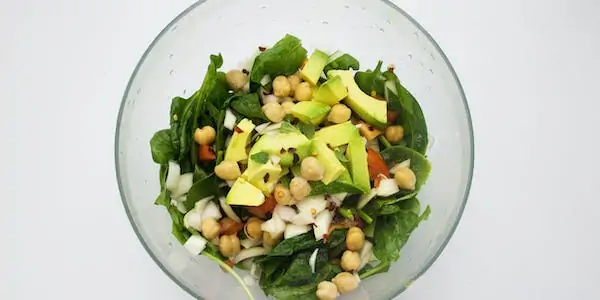

Carb Cycling and Insulin Sensitivity: Carb cycling helps improve insulin sensitivity by preventing the body from constantly being exposed to high insulin levels. On low-carb days, the body becomes more sensitive to insulin, which may reduce fat storage. When you introduce higher-carb days, the body is primed to use carbs more efficiently, leading to better performance and muscle gains.
Intermittent Fasting vs. Carb Cycling: Which is Better for Gym Gains?
1. Fat Loss
- Intermittent Fasting: IF promotes fat loss by creating a calorie deficit and increasing fat burning during fasting periods. The reduction in insulin levels during fasting helps your body burn stored fat more effectively.
- Carb Cycling: Carb cycling can also support fat loss, especially on low-carb days. It allows for higher carbohydrate intake on days when muscle recovery and performance are crucial, while still encouraging fat burning on off-days.
Winner for Fat Loss: Intermittent Fasting is slightly more effective for fat loss due to the prolonged fasting periods and insulin reduction, but carb cycling can also work well if paired with an active workout regimen.
2. Muscle Gains
- Intermittent Fasting: The potential downside of IF is that the fasting period may limit protein intake and recovery. However, muscle gain is still possible with IF if you prioritize protein intake and strength training during eating windows.
- Carb Cycling: Carb cycling ensures that your body has enough carbohydrates to fuel intense workouts on high-carb days, which is essential for muscle growth. This strategy provides consistent energy for high-intensity workouts and supports muscle recovery.
Winner for Muscle Gains: Carb Cycling is generally better for muscle gains, as it ensures your body has the energy to perform at its best during intense workouts and supports recovery with carbohydrates.
3. Sustainability
- Intermittent Fasting: IF is simple and sustainable in the long term, as it doesn’t require complex meal planning. However, some may find the long fasting periods challenging, especially for those with high-energy needs or busy schedules.
- Carb Cycling: Carb cycling requires more meal planning and tracking, especially when switching between high and low-carb days. While it may be a bit more challenging to implement consistently, it offers flexibility and can be tailored to suit individual needs.
Winner for Sustainability: Intermittent Fasting wins here because it’s easier to follow for most people without the need for extensive meal tracking.
4. Energy Levels
- Intermittent Fasting: During fasting periods, some people experience a dip in energy levels, which can affect workout performance. However, many adapt to the fasting lifestyle and report increased energy and focus once the body becomes accustomed to fasting.
- Carb Cycling: Carb cycling supports better energy levels, especially on high-carb days. The carbs fuel workouts, making high-intensity gym sessions more effective.
Winner for Energy: Carb Cycling is ideal for sustaining energy throughout workouts, especially if you are engaging in high-intensity exercise.
Which One Should You Choose for Better Gym Gains?
The choice between intermittent fasting and carb cycling depends on your fitness goals, lifestyle, and workout routine.
- If your goal is fat loss: Intermittent Fasting can be your go-to strategy. It’s simpler and promotes fat burning through the calorie deficit it creates. However, carb cycling can also help with fat loss, particularly by enhancing insulin sensitivity.
- If your goal is muscle gain and performance: Carb cycling is likely the better choice for you. It fuels workouts with the necessary carbs and ensures that recovery happens effectively with higher carb intake on training days.
Fueling Your Gym Gains
Both Intermittent Fasting and Carb Cycling offer distinct benefits when it comes to gym gains, with each strategy serving a unique purpose. Whether you prioritize fat loss, muscle gain, or overall performance, understanding the differences and aligning them with your fitness goals is key to success. Experimenting with both methods will help you find the optimal plan for your body, ensuring maximum results both in the gym and in your health journey.
Frequently Asked Questions (FAQs)
Q1: Can I combine Intermittent Fasting and Carb Cycling? Yes, combining the two strategies is possible. You can use intermittent fasting to control your calorie intake and apply carb cycling on your workout days to ensure that you’re getting enough carbs to fuel your performance and recovery.
Q2: Will I lose muscle with Intermittent Fasting? Not if you prioritize protein intake during eating windows and maintain a solid workout routine. Strength training can help preserve and even build muscle while practicing intermittent fasting.
Q3: How do I know if Carb Cycling is right for me? Carb cycling is great for those who are looking to optimize performance and muscle gain. If you’re engaged in intense workouts and want to make the most of your energy levels, carb cycling may be the perfect strategy for you.
Q4: Can I do cardio on fasting days? Yes, you can do cardio while fasting. Many people find that fasting improves their fat-burning ability during low-intensity cardio sessions. However, for high-intensity workouts, you may want to ensure that you’re properly fueled by eating beforehand or on a carb cycling plan.