

In recent years, the trend of adopting an alcohol-free lifestyle has gained significant popularity, with more individuals recognizing the numerous benefits of reducing or eliminating alcohol from their lives. Whether for health, personal, or social reasons, choosing an alcohol-free lifestyle can lead to improved physical health, mental clarity, and enhanced overall well-being. This complete guide will explore the benefits of living alcohol-free and provide practical tips for making the transition.
Understanding the Alcohol-Free Lifestyle
An alcohol-free lifestyle means abstaining from consuming alcoholic beverages. This choice can stem from various motivations, including health concerns, personal beliefs, addiction recovery, or a desire for a more fulfilling social life. Whatever the reason, an alcohol-free lifestyle promotes healthier habits and empowers individuals to live life to the fullest.
1. Benefits of an Alcohol-Free Lifestyle
Improved Physical Health
- Weight Management: Alcohol is high in calories and can lead to weight gain. Eliminating alcohol can help you manage your weight more effectively.
- Better Sleep: While alcohol may help you fall asleep faster, it disrupts sleep cycles and can lead to poor-quality rest. An alcohol-free lifestyle promotes more restful and restorative sleep.
- Enhanced Hydration: Alcohol can dehydrate the body, leading to fatigue and other health issues. Choosing non-alcoholic beverages can help maintain hydration levels.
Mental Clarity and Emotional Well-being
- Increased Energy: Without the depressant effects of alcohol, many individuals experience higher energy levels and improved focus throughout the day.
- Better Mood: Alcohol can contribute to mood swings and anxiety. An alcohol-free lifestyle can lead to more stable emotions and an overall sense of well-being.
- Enhanced Mental Clarity: A clear mind allows for better decision-making and improved cognitive function, enhancing productivity and creativity.
Stronger Relationships
- Improved Social Interactions: An alcohol-free lifestyle encourages genuine connections without the influence of alcohol, leading to more meaningful relationships.
- Setting a Positive Example: By choosing to live alcohol-free, you can inspire friends and family to consider their drinking habits, promoting a healthier environment.
2. Practical Tips for Transitioning to an Alcohol-Free Lifestyle
Educate Yourself
Understanding the effects of alcohol on your body and mind can reinforce your decision to live alcohol-free. Read books, listen to podcasts, or join online communities focused on sobriety and health.
Find Alternatives
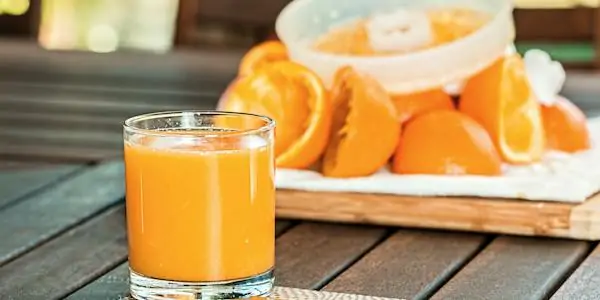
Discover tasty non-alcoholic beverages to replace traditional alcoholic drinks. Here are some popular alternatives:
- Mocktails: Create refreshing drinks without alcohol, such as virgin mojitos, piña coladas, or fruit spritzers.
- Sparkling Water: Infuse sparkling water with fresh fruits, herbs, or citrus for a bubbly, flavorful drink.
- Herbal Teas: Explore various herbal teas that can be enjoyed hot or iced for a calming effect.
Establish a Support System
Having a support system can make the transition to an alcohol-free lifestyle easier. Connect with friends and family who support your decision or consider joining support groups or online forums for like-minded individuals.
Plan Social Activities
You May Also Like

Many social events revolve around alcohol, so it’s essential to find alternative activities that don’t involve drinking. Consider these options:
- Outdoor Activities: Organize hiking, biking, or picnicking with friends.
- Game Nights: Host game nights with board games or video games to foster connection without the need for alcohol.
- Volunteer Opportunities: Engage in community service or volunteering as a way to connect with others and give back.
3. Coping with Challenges
Transitioning to an alcohol-free lifestyle may come with challenges. Here are strategies to cope with potential difficulties:
Handle Peer Pressure
Be prepared to face situations where friends or family may pressure you to drink. Have a few responses ready, such as “I’m trying to focus on my health” or “I’m enjoying my alcohol-free lifestyle.” Surrounding yourself with supportive individuals can also help.
Overcome Cravings
Cravings for alcohol can arise, especially in social situations. Distract yourself by engaging in conversations, enjoying non-alcoholic drinks, or participating in activities that keep your mind occupied.
4. Celebrate Your Progress
Acknowledge your achievements as you embrace your alcohol-free lifestyle. Whether it’s celebrating milestones, sharing your journey with others, or treating yourself to something special, recognizing your efforts can boost motivation and encourage long-term commitment.
Conclusion
Embracing an alcohol-free lifestyle can lead to numerous health benefits, improved emotional well-being, and stronger relationships. By educating yourself, finding alternatives, and establishing a supportive network, you can successfully transition to an alcohol-free life and experience its positive impacts.
FAQ: Embracing an Alcohol-Free Lifestyle
Q1: What is an alcohol-free lifestyle?
A: An alcohol-free lifestyle involves abstaining from consuming alcoholic beverages, promoting better health, mental clarity, and stronger relationships.
Q2: What are the benefits of living alcohol-free?
A: Benefits include improved physical health, better sleep, increased energy, emotional stability, weight management, and enhanced social interactions.
Q3: How can I transition to an alcohol-free lifestyle?
A: Educate yourself about the effects of alcohol, find tasty non-alcoholic alternatives, establish a support system, and plan social activities that don’t revolve around drinking.
Q4: What are some alternatives to alcoholic drinks?
A: Consider mocktails, sparkling water infused with fruits, and herbal teas as enjoyable non-alcoholic options.
Q5: How can I handle peer pressure to drink?
A: Prepare polite responses for social situations, such as focusing on your health, and surround yourself with supportive individuals who respect your choice.
Q6: What should I do if I experience cravings for alcohol?
A: Distract yourself by engaging in conversations, enjoying non-alcoholic beverages, or participating in activities that keep your mind occupied.
Q7: How can I celebrate my progress in living alcohol-free?
A: Acknowledge milestones, share your journey with others, and treat yourself to something special to boost motivation and commitment.